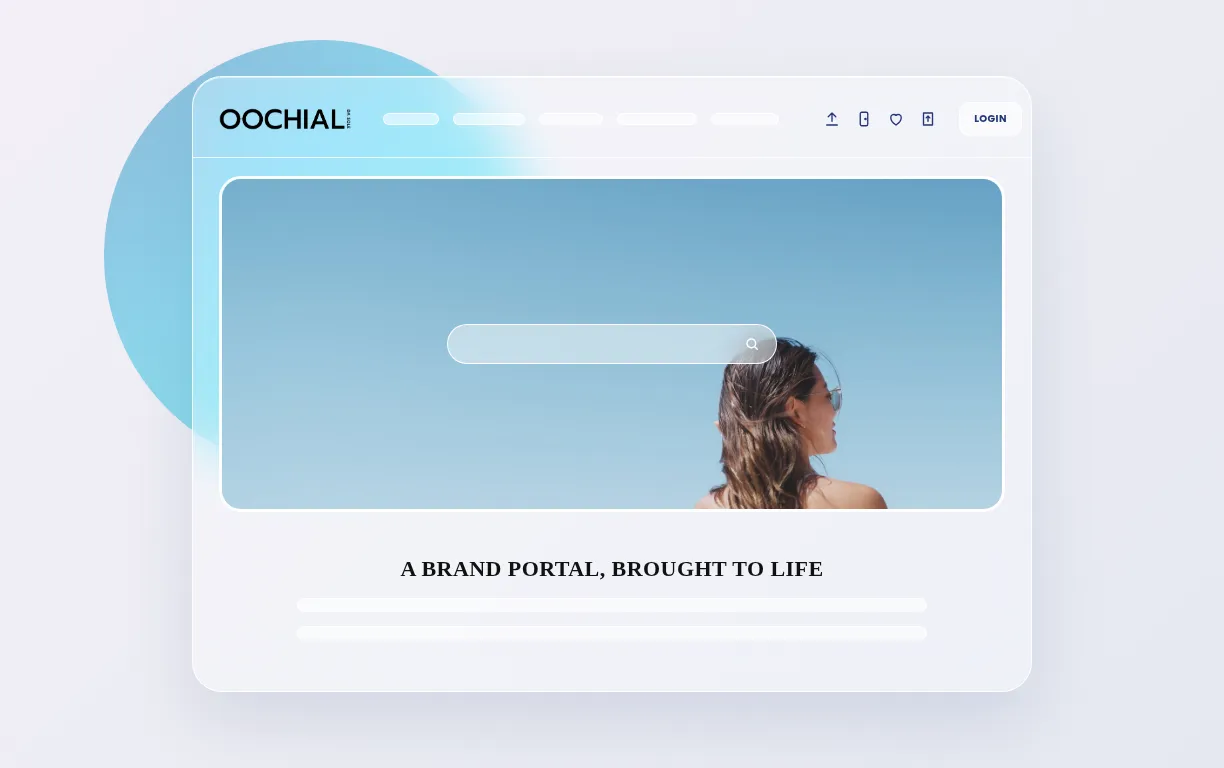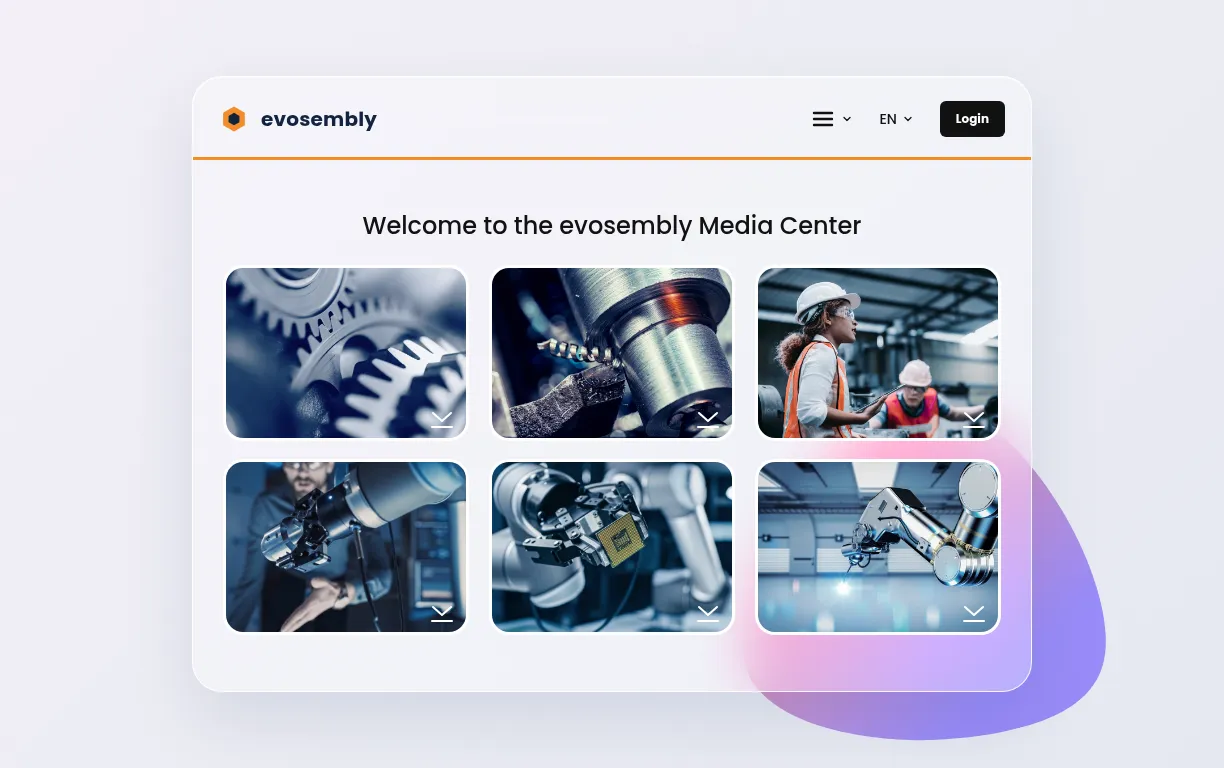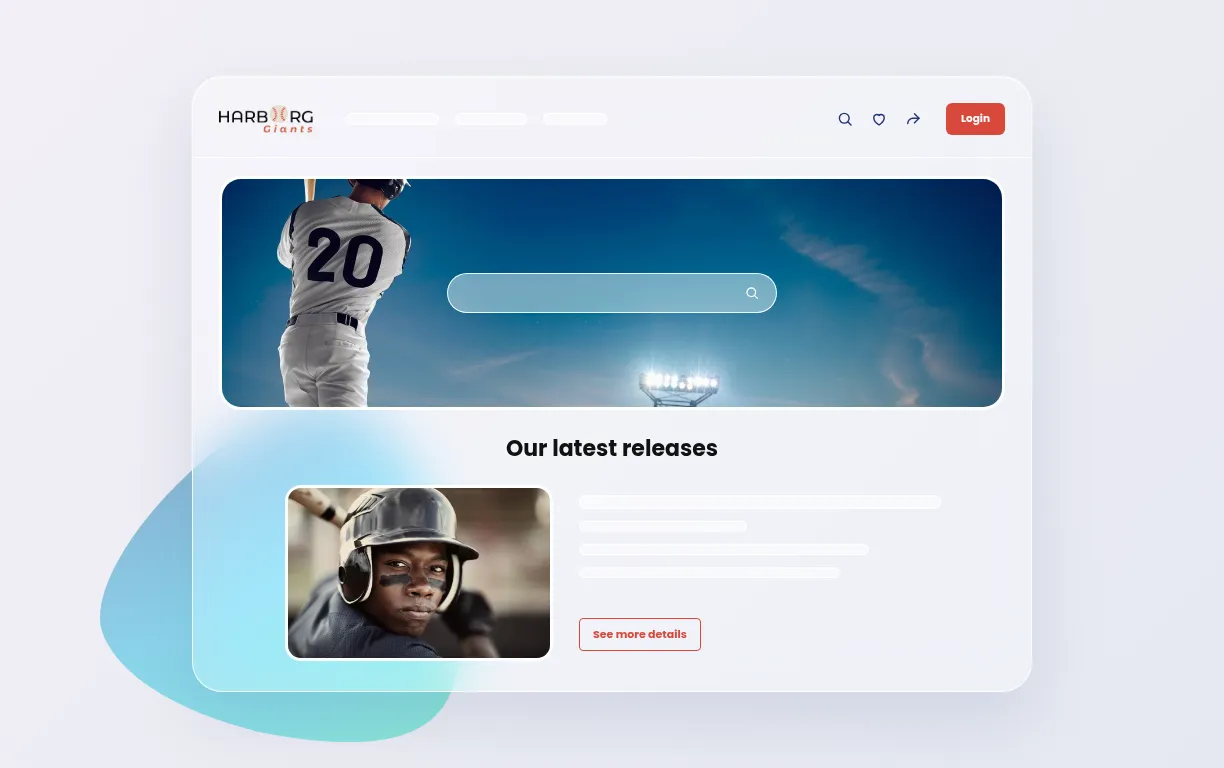
Rights, visible on every asset
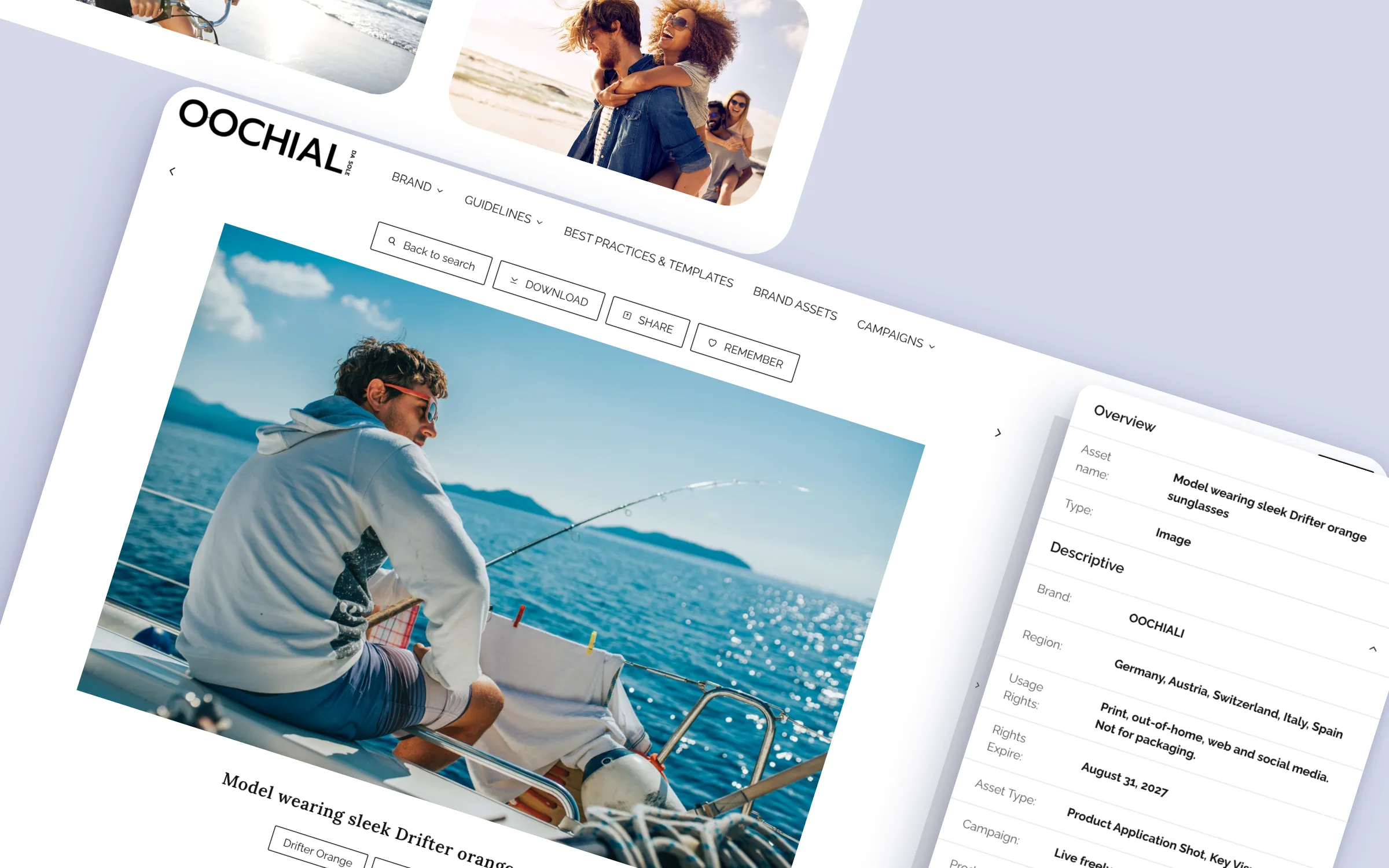
Usage rights, markets and expiry are shown right on the asset, read from its own metadata, and who may see what follows from the same data. Everyone understands what applies before they download.

A brand portal keeps every market, agency and partner informed: the approved assets, with their guidelines and usage rights beside them, in your templates. People who understand the brand use it right.
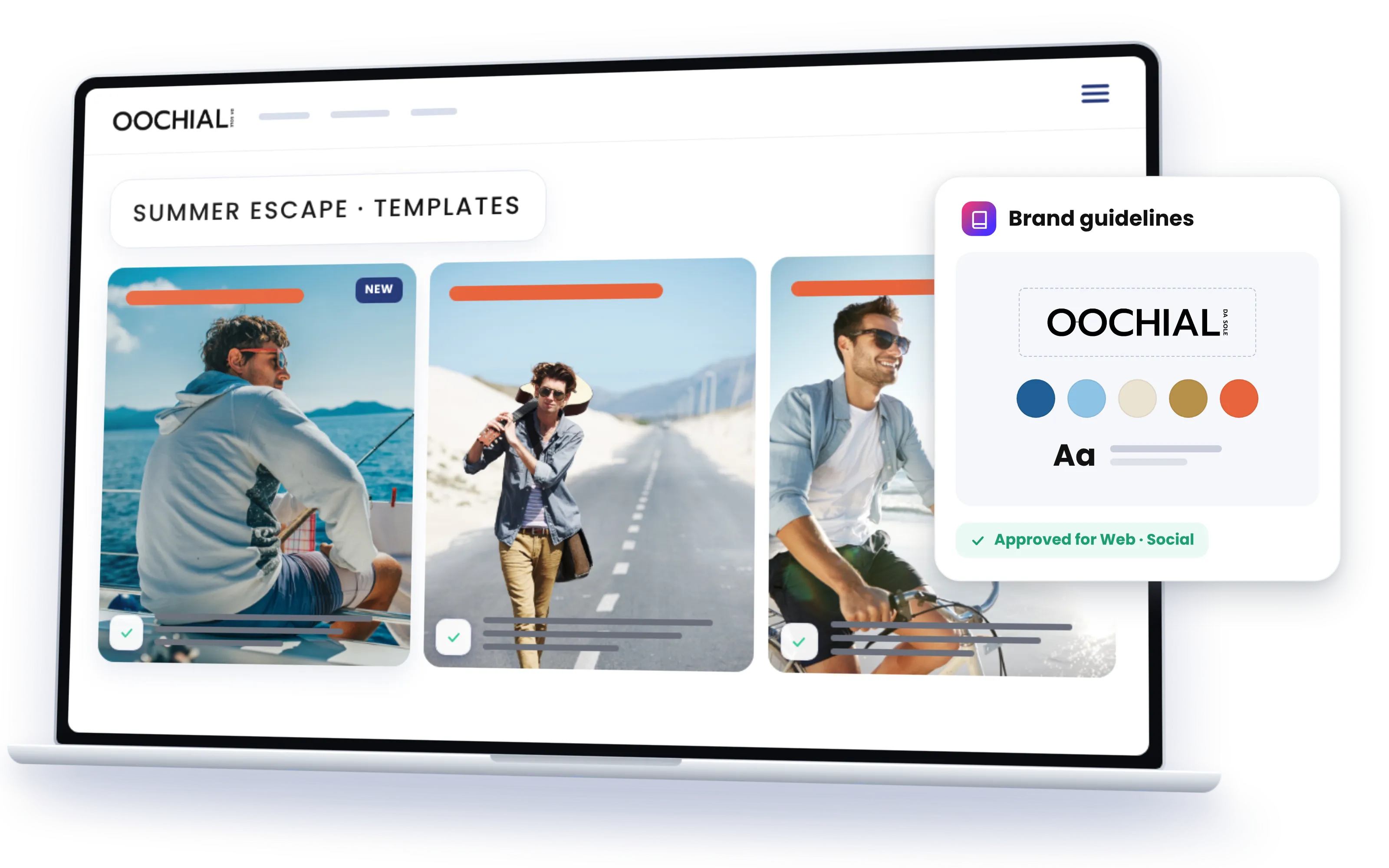
A brand stays consistent when the approved version is the easiest one to find and use. On the platform it is the only one: templates carry the identity, guidelines sit beside the assets, and rights, markets and expiry travel with each file. Your markets and agencies work from it, and understand it.
Usage rights, markets and expiry are shown right on the asset, read from its own metadata, and who may see what follows from the same data. Everyone understands what applies before they download.
Usage rules sit next to the assets they govern. Nobody has to go looking for the brand book; it is there when the asset is.
Portals are built from consistent templates and components; your CI is the default, so a market or an agency starts on brand instead of building its own page.
One portal per brand, each with its own look, guidelines and audiences, or several brands in one portal, side by side. Either way on the same foundation and the same sources.
Connect Claude, ChatGPT, Copilot or any MCP client to your brand portal. It answers what used to reach the brand team: the spring key visual for print, the markets it may run in, the logo on dark, the claim in French. Each answer carries the rules, and each is limited to what that user may see. The same answers arrive inside Office and the creative tools your teams already use. With Sminted AI, the assistant answers the way your brand team would.
How Sminted AI works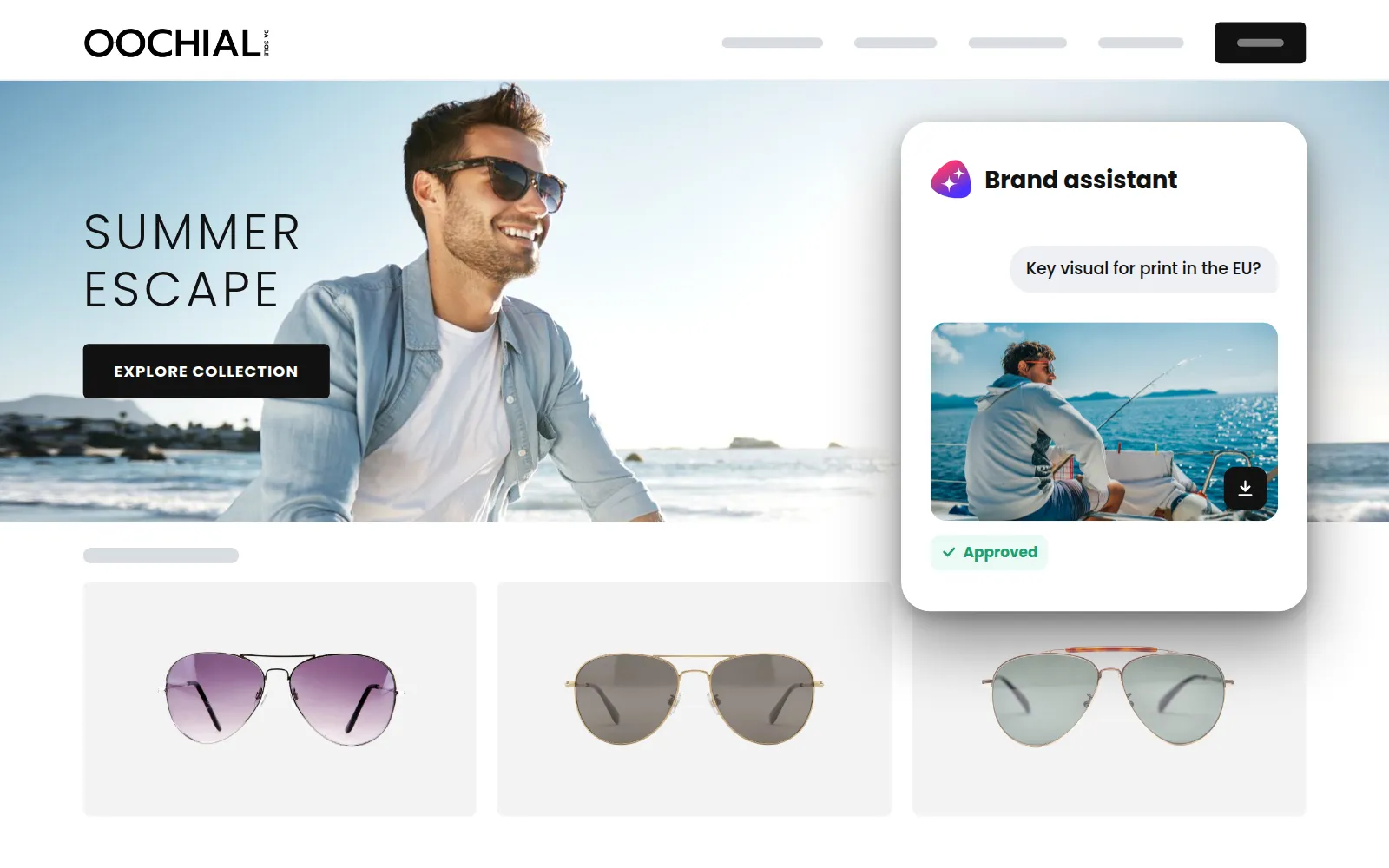
Zehnder Group used to send a 300-page PDF brand manual. WALTER GROUP kept its guidelines in Word documents. Both now put the guidelines where the assets are: on one page, the approved visual, its usage rights, the markets it may be used in and the date it expires, read from the asset's own metadata. Every agency and market sees what applies to its work, and understands the brand without asking. At Zehnder, downloads rose by 67 %.
Three experiences carry most brand work. Each is a finished portal on the systems you already run, live in days.
A 300-page guideline PDF became a brand portal on the existing DAM; downloads up 67 %.
Three brand portals on the existing DAM, where the guidelines used to be Word documents.
A brand portal for the global rebranding, chosen over a specialist brand-portal tool, on the existing DAM; one of seven portals on one platform.

The Brand Portal improved communication and operational efficiency at Zehnder Group. The flexible solution reduced the time spent on email exchanges and provided a centralized source of truth for all design guidelines and assets.
Only where you want them to. A brand portal can be public, open by invitation, or behind your SSO, per area. An agency gets the campaign it works on, a market its languages and its usage rights, and nobody has to become a user of the system where the brand is managed.
From the asset itself. Rights, markets and expiry dates live in the asset's metadata and are shown beside it, so nobody has to look them up or ask. The same metadata decides who may see what: Dynamic Content Routing derives access from it, so a market sees its assets and an agency the campaign it works on.
Yes, both ways: one portal per brand, each with its own look, guidelines and audiences, or several brands in one portal, side by side, on the same foundation and the same sources. WALTER GROUP runs a single source of truth across its brands; Mattel runs campaign portals per brand on one DAM.
The new identity goes into the portal once: templates, design tokens, guidelines and the new assets. Every market, agency and partner sees the new brand the moment it is released, and the old assets retire by their metadata rather than by a round of emails.
Yes, any of them. Every portal exposes its own MCP server through Sminted AI, so Claude, ChatGPT, Copilot or an agency's own agent gets the approved asset with its rules, in the right rendition, with exactly the permissions that user has. Whatever your teams and partners build or automate on top, the brand portal is its single source of truth.