

01
Create from a template.
Pick a portal template and you have a finished, working application with all the features you need.

Smint.io Portals turns the content in your existing systems into portal experiences your audiences will love. Start from prebuilt, fully customizable templates, not from months of custom development.
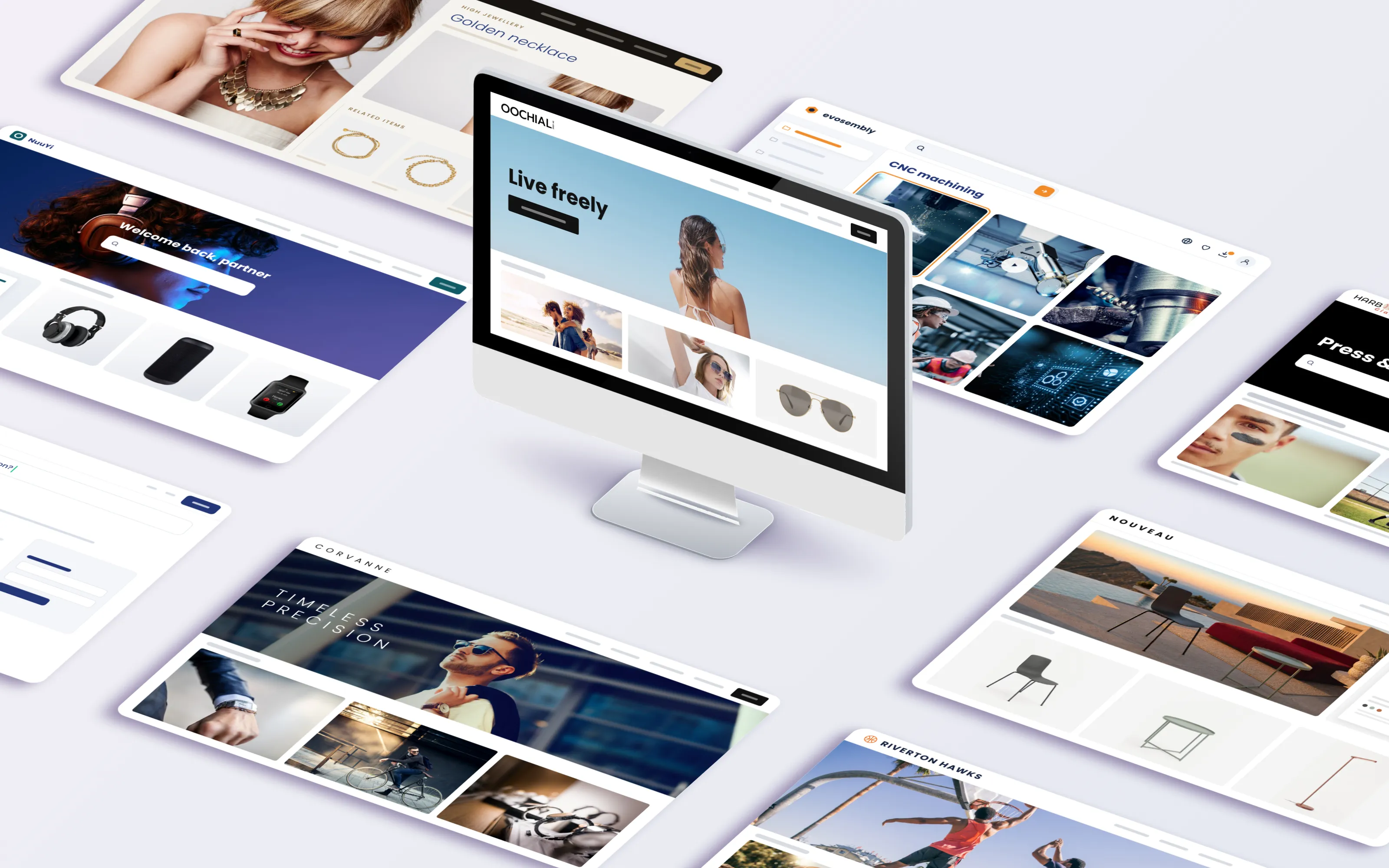
B2B portal projects stall on effort, cost and complexity. Audiences keep asking by email, and content stays locked in the warehouse. Smint.io removes the barrier: fast time-to-value, no-code setup, and a cost structure that gives budget to portals that would otherwise never get it.
Days instead of months. No-code first, full control when needed.
01
Pick a portal template and you have a finished, working application with all the features you need.
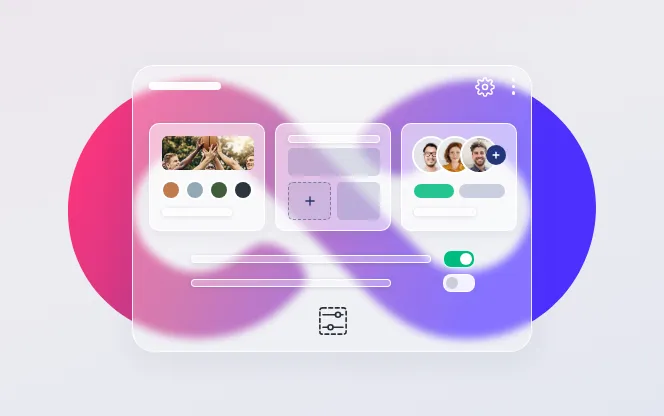
02
Adjust everything via settings, no code required. Your brand, your structure, your audiences.
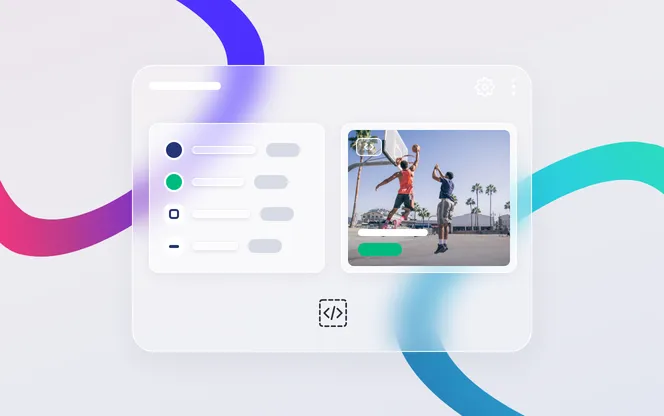
03
Design token system when settings aren't enough; custom components via our SDKs when you want your own building blocks.
Every portal is on brand from the start: consistent templates, controlled components, central management. Rights and permissions follow your rules, down to automatic, metadata-based access with Dynamic Content Routing. Consistency across markets takes care of itself.
The Smint.io connector framework works in both directions. Audiences upload through the portal, and contributions flow through approval workflows directly into your DAM, PIM or ECM. Everything lands in the system of record. Write-back goes beyond files, too: at a European retail group, external agencies enter marketing project cost estimations through dynamic Smint.io forms, and the data lands directly in the Marmind MRM system.
Read about uploads and write-back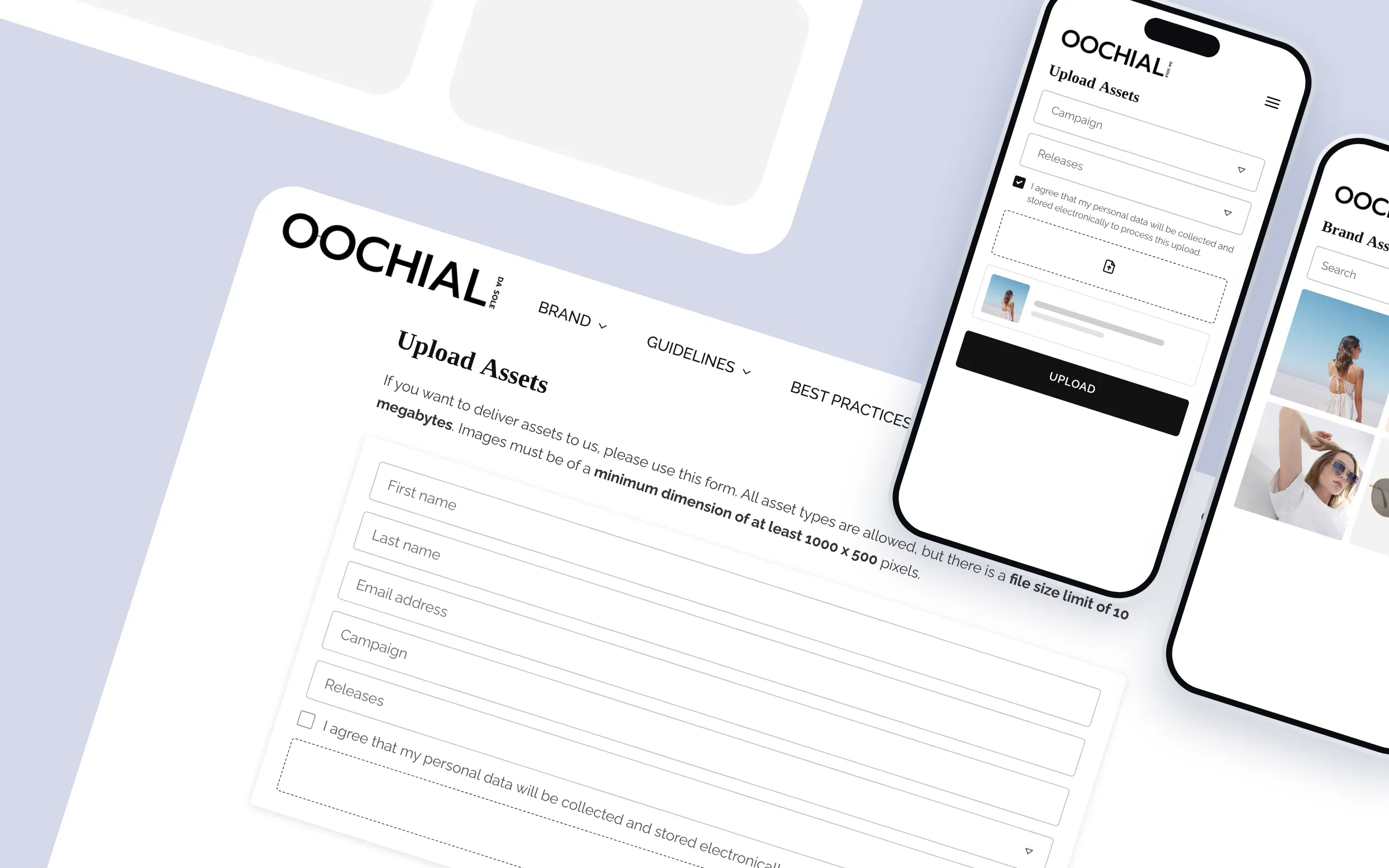
Each type ships as a prebuilt template on the same platform, so the next audience is a new portal rather than a new tool. When no template fits, the component system does: configure any use case from existing components and build only the last 5% with the SDKs.
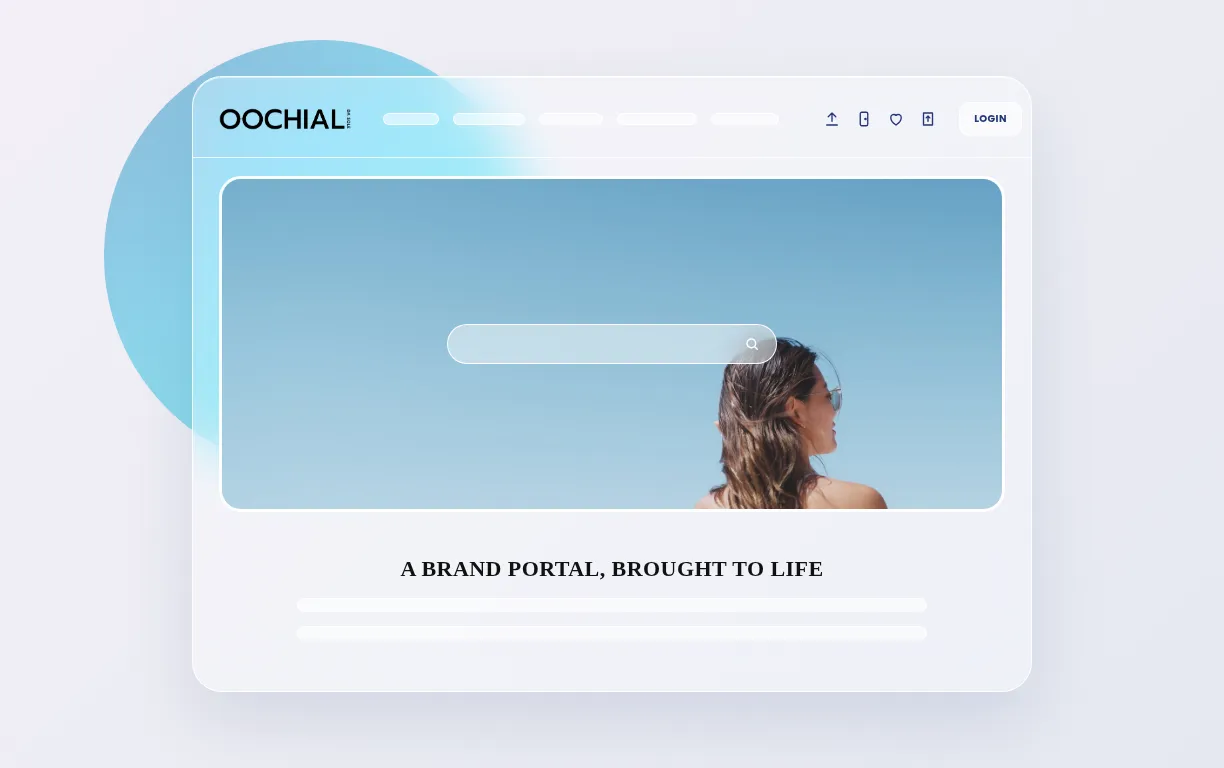
Central, on-brand access to all your assets.
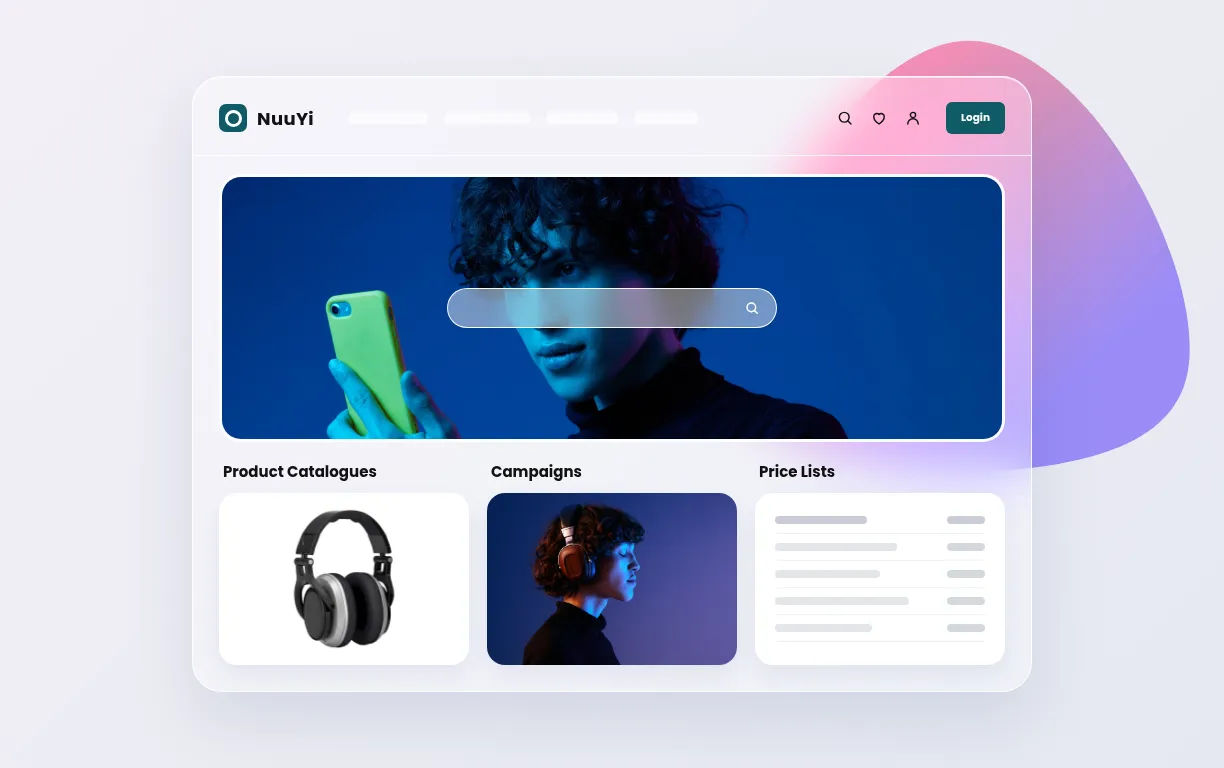
Share content securely with external partners.
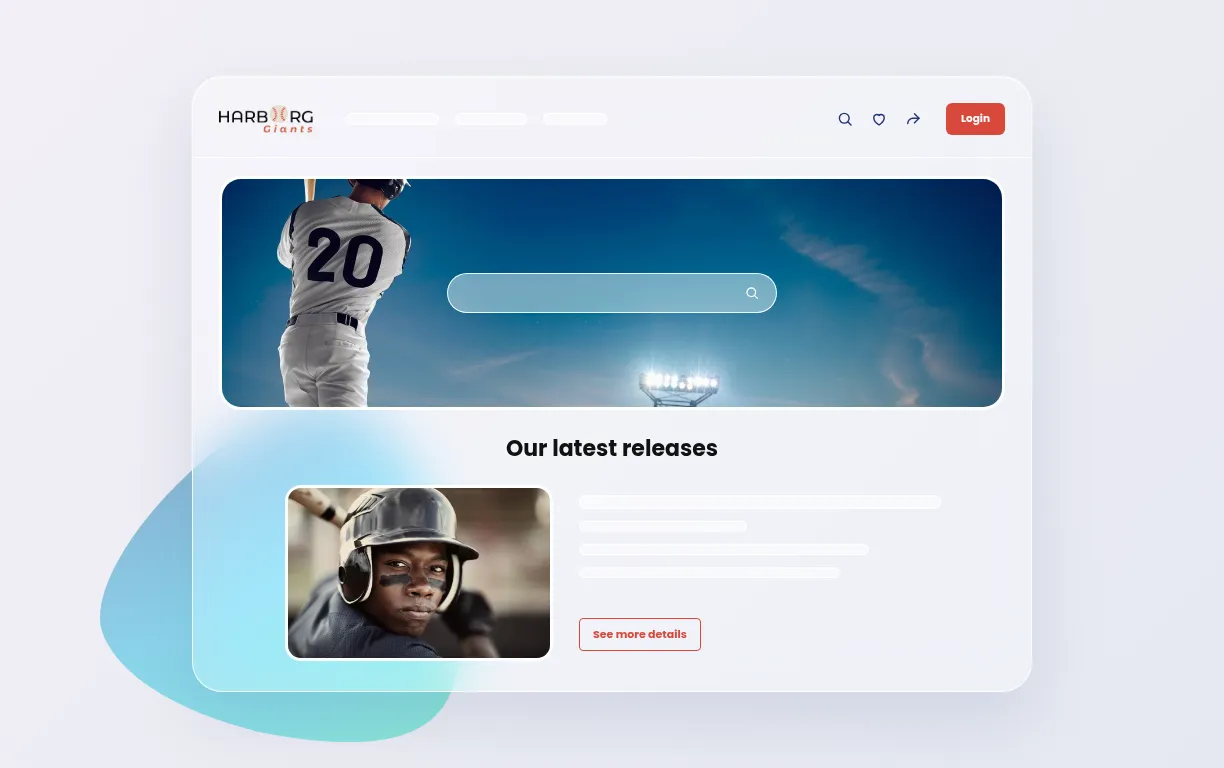
Serve press & public in self-service.
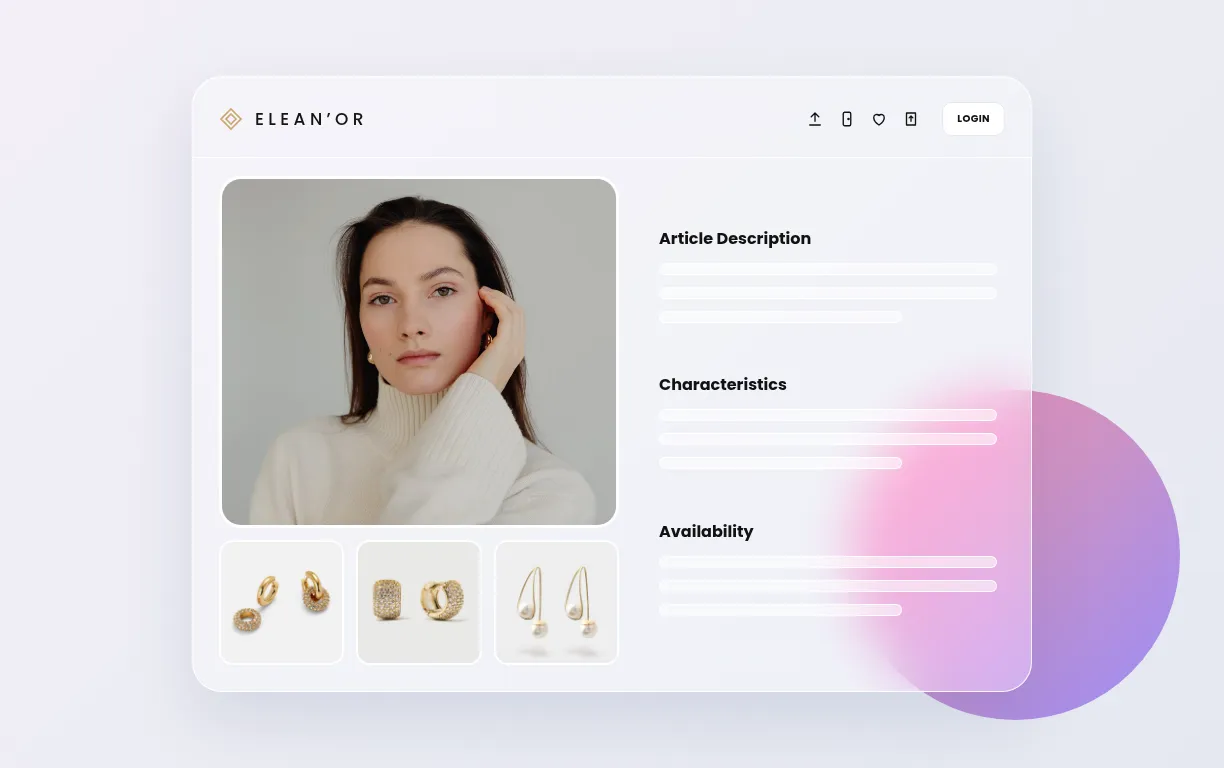
Distribute product data across markets.
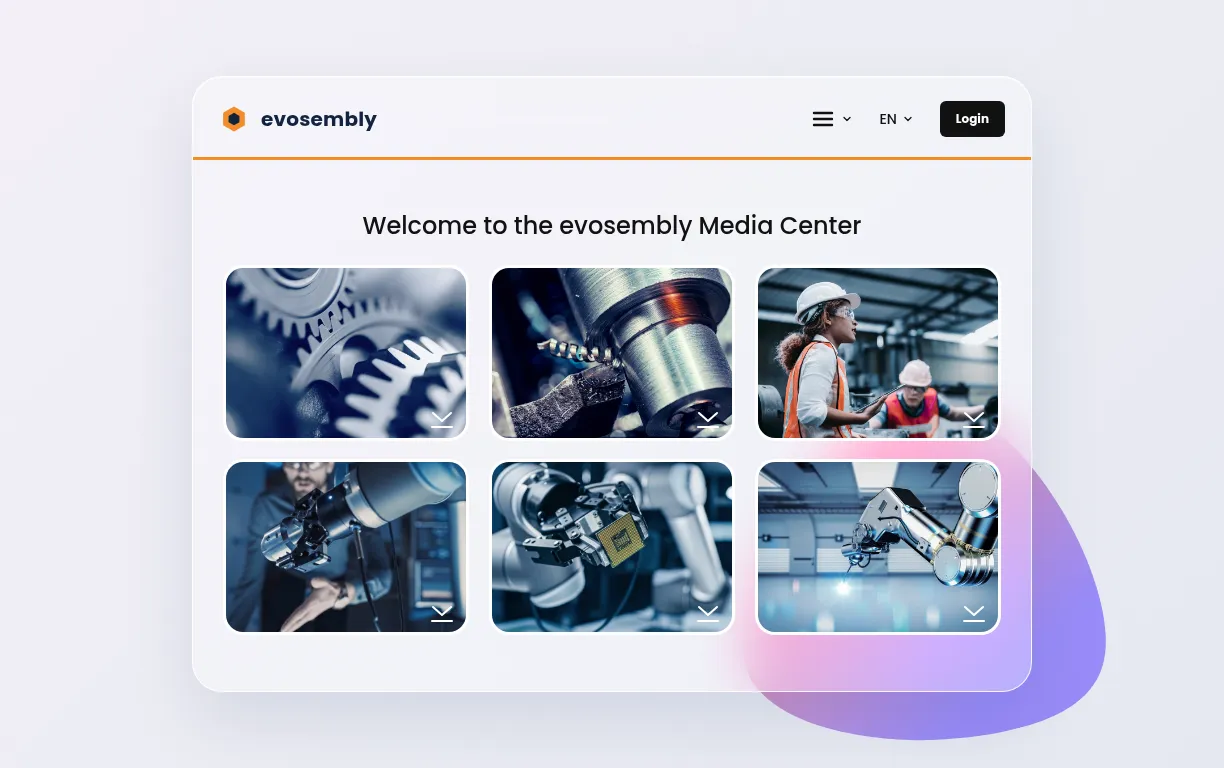
A single point of truth for media.
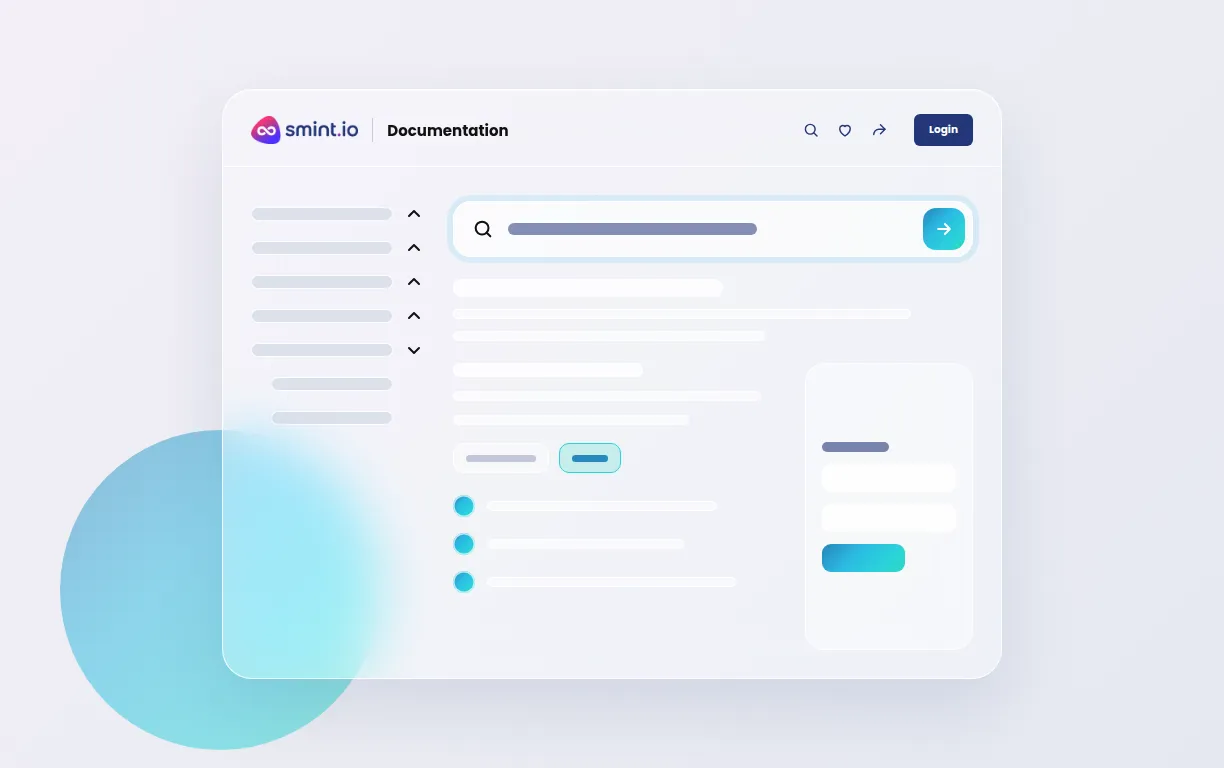
Deliver documentation in a structured way.
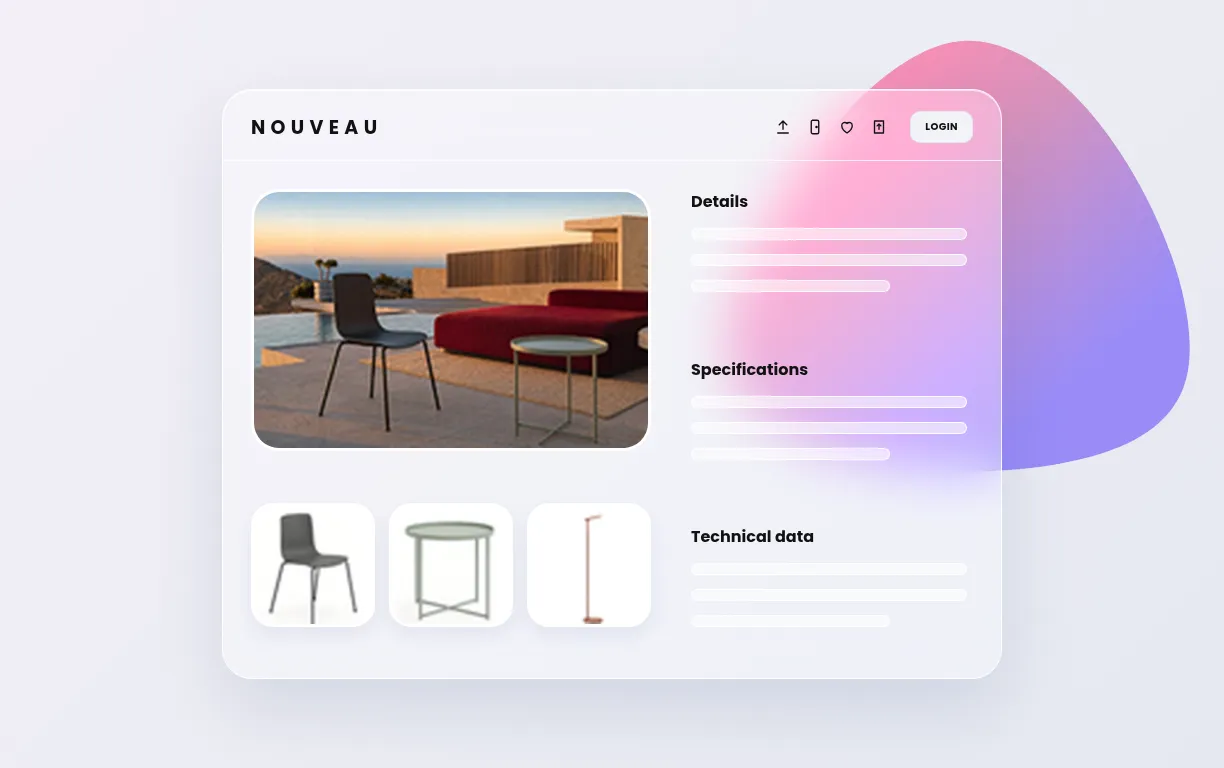
Current sales content for teams & selling partners.
Your use case, starting at 95%, not at 0.
Everything in Smint.io is a component, which means every part of a portal can be extended: settings first, then the design token system, then your own components, templates, workflows and integrations built with the SDKs.
User management runs locally or via SSO (SAML/OIDC), with automated user provisioning via SCIM. Permissions work standalone, as pass-through from your source systems, or via Dynamic Content Routing, derived automatically from metadata values. Every portal runs on your own domain.
Custom development & SDKsCloud-native SaaS, running on the Unified Semantic Context Layer: portals stay up even when a source system is down, and your systems are shielded from live audience traffic.
The foundation in depthIn a guided demo we build the picture on your own use case, including white-glove onboarding when you're ready.