
What is a DAM?
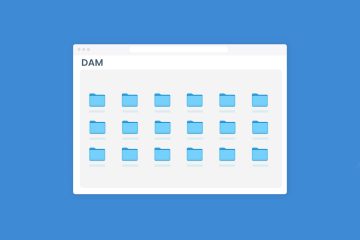
Table of Contents
- Understanding Digital Asset Management
- The Role of a DAM: A Digital Warehouse for Your Assets
- Leading DAM Providers
- Essential Criteria for Choosing the Right Digital Asset Management Platform
- The Missing Piece: Enabling Business Audiences with a Great Content Experience
- Why a Content Experience Layer Matters
- Conclusion
- FAQs

Understanding Digital Asset Management
In today’s digital-first world, businesses are generating more content than ever. But managing these assets – logos, videos, images, and more – can quickly become chaotic without the right tools.
That’s where Digital Asset Management (DAM) steps in.
A DAM serves as a centralized content hub, streamlining the organization and retrieval of digital assets. While it might be tempting to use a DAM to fulfill additional requirements, this can lead to diminishing returns.
Therefore, it’s crucial to understand the specific role of a DAM.
It is also important to understand what a DAM is not. For example, it is not a content experience platform designed for diverse business audiences.
We will cover that topic in this article to provide a comprehensive understanding of Digital Asset Management.

The Role of a DAM: A Digital Warehouse for Your Assets
At its core, a DAM serves as a centralized repository for managing, organizing, and distributing digital assets such as images, videos, documents, and design files.
Think of it as a digital warehouse where all your valuable content is stored, tagged, and made readily available to the right people at the right time.
DAM systems enable businesses to:
- Organize Assets Effectively: By categorizing and tagging content, DAM platforms make it easy to find specific assets quickly.
- Maintain Brand Consistency: Ensure teams use approved, up-to-date assets across campaigns and channels.
- Streamline Workflows: Automate repetitive tasks like resizing images or converting file formats.
- Enhance Collaboration: Provide secure access to assets for internal teams, external partners, and stakeholders.
- Enable Multi-Channel Asset Delivery: Seamlessly distribute content across channels to maintain consistent messaging.
- Support Creative Workflows: Optimize content creation, review, and approval processes for creative teams.
Leading DAM Providers
Many industry-leading DAM providers offer robust solutions tailored to different business needs. Here are a few examples of vendors in the Smint.io ecosystem:

- Adobe Experience Manager Assets (AEM Assets): Adobe Experience Manager (AEM) DAM is a robust digital asset management solution that seamlessly integrates with the Adobe Experience Cloud.
It offers advanced features for organizing, searching, and retrieving assets while ensuring scalability for organizations of all sizes.
Its strong collaboration tools and analytics capabilities allow businesses to optimize their digital asset management within a holistic marketing ecosystem.

- Aprimo: Aprimo is a comprehensive marketing operations platform that integrates tools for marketing resource management, workflow automation, and digital asset management, enabling organizations to streamline their marketing processes and enhance productivity.
Its extensive collaboration features, analytics tools, and integration capabilities make it a scalable solution for businesses seeking to optimize their marketing activities and asset management.

- censhare: censhare is an omnichannel content platform that integrates Digital Asset Management (DAM), Product Information Management (PIM), and Content Management (CMS) into a unified solution, allowing for flexible content modeling and advanced collaboration tools.

- Cloudinary: Cloudinary DAM is a powerful and versatile digital asset management solution that excels in supporting composable architecture principles, as it is a proud member of the MACH Alliance.
Its strengths include seamless integration with Cloudinary’s programmable media product, enabling dynamic transformations and optimization of assets.It also incorporates the Smint.io Portals Content Experience Platform as Cloudinary Portals, enhancing personalized content delivery and user experience.

- FotoWare Content Platform (formerly Picturepark): FotoWare Content Platform (CP) offers flexible workflow automation, advanced search capabilities, and a user-friendly interface that streamline digital asset management and enhance efficiency.
Its collaboration tools, integration options, scalability, and reliable security features make it a versatile solution for organizations seeking to optimize asset management processes.

- MediaValet: MediaValet is a user-friendly Digital Asset Management (DAM) solution with powerful search capabilities, AI-driven tagging, and a cloud-based architecture that ensures easy access and scalability.
Its collaboration tools, integration capabilities, comprehensive security features, and analytics tools make it an effective choice for organizations looking to optimize their digital asset management processes.

- OpenText DAM: OpenText DAM (Digital Asset Management) excels in comprehensive integration with other OpenText solutions and third-party applications, offering advanced metadata management, efficient search functionality, and strong security features.
Its scalability, collaboration tools, and workflow automation capabilities make it a powerful solution for organizations of all sizes looking to efficiently manage and utilize their digital assets.

- Sitecore Content Hub: Sitecore Content Hub is an integrated platform that combines content management, digital asset management, and marketing resource management, enabling streamlined workflows and personalization for tailored customer experiences.
Its flexible content modeling, collaboration features, scalability, integration capabilities, and analytics tools empower organizations to optimize their content strategies and boost overall productivity.

- Tenovos: Tenovos provides a user-friendly Digital Asset Management (DAM) solution that leverages AI for automated tagging and enhanced searchability, along with strong collaboration and workflow tools for real-time sharing and approval of assets.
Its robust analytics, scalability, integration capabilities, and advanced security features make it a versatile choice for large organizations seeking to optimize their digital asset management processes.
- THRON: THRON’s Digital Asset Management (DAM) solution leverages AI for automatic tagging and categorization, facilitating centralized access, collaboration, and multi-channel distribution of digital assets.
Its Product Information Management (PIM) system streamlines comprehensive data management, ensures data quality, and provides real-time updates, making it ideal for businesses needing accurate and consistent product information across various channels.

Essential Criteria for Choosing the Right Digital Asset Management Platform
When choosing a Digital Asset Management (DAM) platform, prioritize ease of use, scalability, integration capabilities, and strong security and collaboration features.
Additionally, consider creative workflow capabilities for efficient asset creation and review processes, multi-channel delivery options to reach diverse audiences, customization options, and support available to ensure the platform meets your organization’s specific needs.
Platform architecture also matters. While state-of-the-art platforms operate as multi-tenant cloud solutions, there may be valid reasons to choose an on-premises setup depending on your requirements.
Cost considerations should encompass both licensing and running expenses, including the effort required to maintain and manage content and metadata.
For SaaS solutions, licensing and operational costs are typically consolidated into a single annual fee, simplifying budgeting and financial planning.
The Missing Piece: Enabling Business Audiences with a Great Content Experience
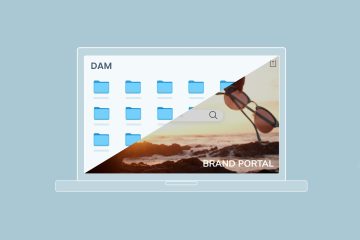
While DAM platforms are excellent for storing, managing, and delivering assets to multi-channel endpoints, enabling business users to access and utilize this content effectively requires an additional layer: a content experience platform.
A DAM functions primarily as a backend system: a warehouse that holds assets. However, presenting this content in a way that empowers users for their specific needs is a different challenge.
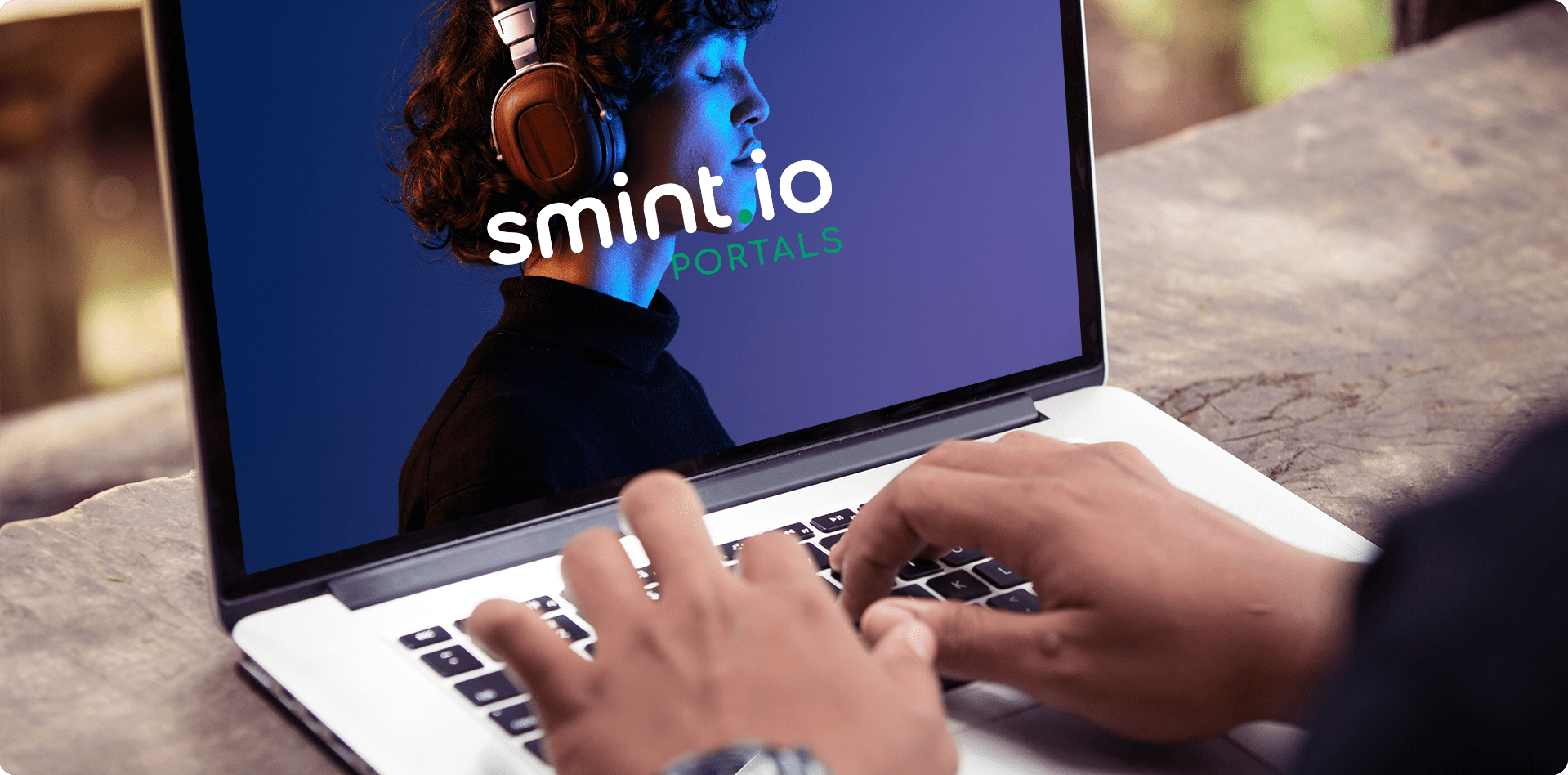
This is where Smint.io Portals steps in. Acting as a bridge between the DAM and the end user, Smint.io Portals offers:
- Seamless Integration: Leverage your existing DAM infrastructure without needing to duplicate or migrate assets.
- Brand Experience and Multilingual Personalized Content: Smint.io Portals facilitates delivering personalized content based on users’ locations and membership in audience groups, ensuring a consistent brand experience across different languages and audiences.
- Tailored Content Delivery: Ensure users see only the content relevant to their role or project.
- Enhanced User Experience: An intuitive interface makes it easy for users to find, preview, and download assets.
- Scalability Across Use Cases: Support diverse needs, from Channel Partner Portals and Brand Portals to Sales Enablement tools and training platforms.

Why a Content Experience Layer Matters
Without a content experience layer, users often struggle with:
- Complex Navigation: DAM interfaces, while powerful, are often designed for administrators rather than end-users.
- Lack of Brand Consistency: Without a well-designed content experience layer, it becomes challenging to maintain a cohesive brand identity, as users may encounter inconsistent assets and messaging.
- Overwhelming Choices: Finding the right asset can feel like searching for a needle in a haystack without proper filters and context.
- Lack of Personalization: Users may need to sift through irrelevant content to find what they’re looking for.
A solution like Smint.io Portals addresses these challenges by making the content accessible, actionable, and tailored to the user’s specific needs.
For more insights on brand experience, check out more articles about brand experience.
Conclusion
A DAM is an essential platform for modern businesses, acting as a digital warehouse that organizes and secures valuable assets.
However, its true potential is unlocked when paired with a content experience platform like Smint.io Portals.
By integrating the robust management capabilities of a DAM with the user-centric delivery of a content experience platform, organizations can ensure their content empowers users effectively, whether for marketing, training, sales enablement, or brand consistency.
The future of digital content management lies in this synergy, fostering seamless workflows and delivering unparalleled value to both businesses and their audiences.
FAQs
Read more


Grow your knowledge
Join hundreds of marketing and brand professionals. Keep up-to-date with the hottest news regarding content portals, brand experience, and digital touchpoints. Don’t miss out!