Table of Contents
- Seamless Integration with Existing System
- User-Friendly Interface for Accelerated Adoption
- Scalability for Asset and Team Growth
- Advanced Search and Metadata Management
- Brand Consistency Tool
- Workflow automation and collaboration features
- Security and Access Control
- Vendor Support and Reliability
- Analytics and Reporting
- Cost Efficiency and ROI
- Conclusion
- FAQs
Choosing the right DAM system is a critical decision that requires thorough evaluation. A thoughtfully selected Digital Asset Management (DAM) system streamlines workflows, ensures brand consistency, and maximizes efficiency.
At Smint.io, we understand the challenges businesses face when managing and distributing digital assets. While we are not a DAM system ourselves, our Content Portals seamlessly integrate with leading DAM solutions, helping organizations unlock the full potential of their content.
By eliminating silos, reducing duplication, and enhancing accessibility, we empower brands to create a more efficient and engaging content experience.
To help you make an informed choice, here are 10 key criteria to guide your DAM selection process:
Seamless Integration with Existing System
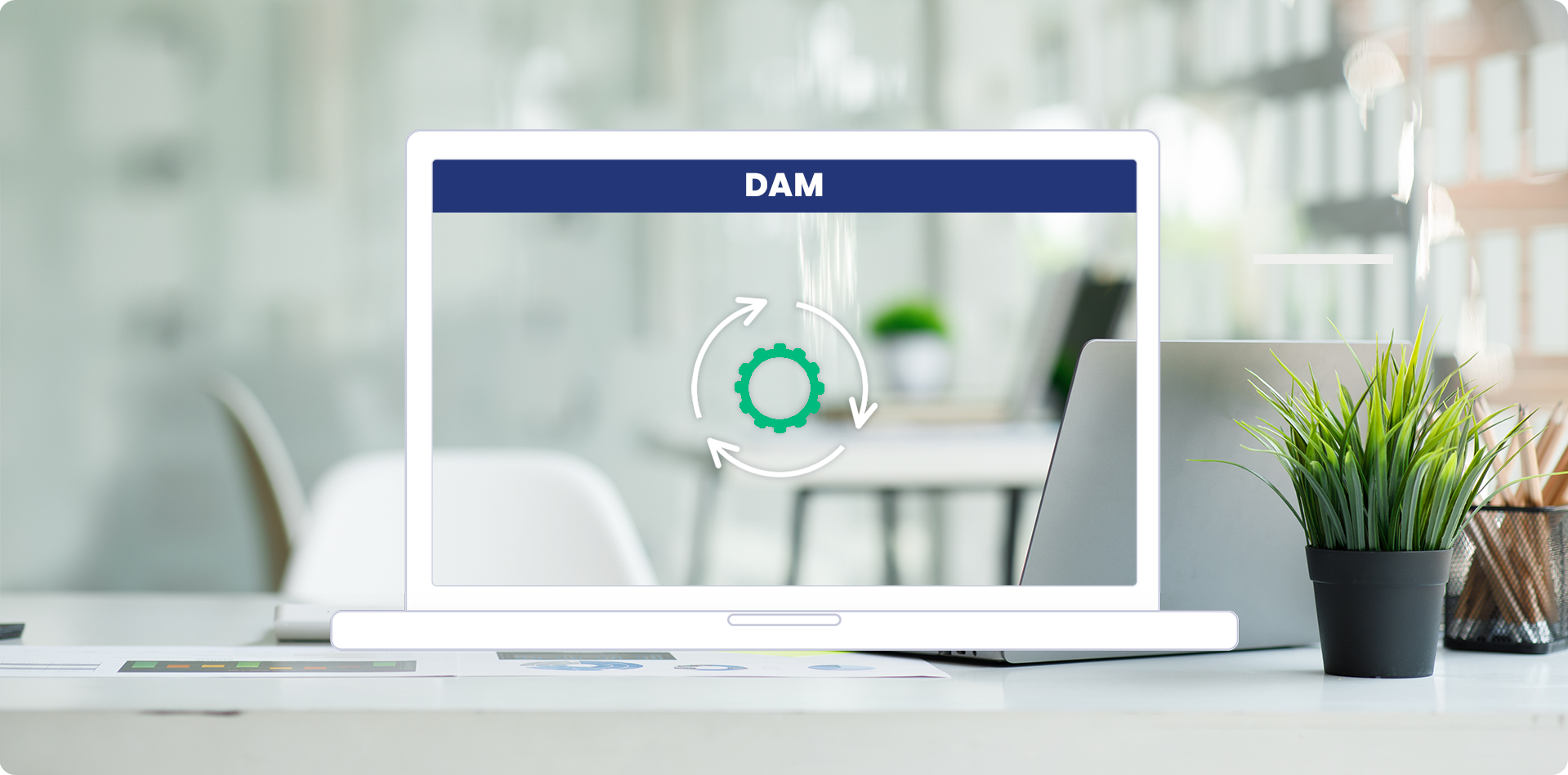
In an era where businesses thrive on interconnected ecosystems of software and tools, seamless integration is essential.
From Content Management Systems (CMS) to Product Information Management (PIM) platforms, Adobe Creative Cloud, and Microsoft SharePoint, these tools form the backbone of modern operations.
A robust DAM solution should seamlessly integrate into this ecosystem, serving as the central hub for all digital assets. This ensures a Single Source of Truth, reducing inefficiencies, enhancing collaboration, and maintaining consistency across platforms.
Key features to look for
- Prebuilt Connectors: Prioritize DAM systems with prebuilt connectors to simplify onboarding, reducing implementation time and IT resource demands.
- Real-Time Syncing: Ensure the DAM syncs in real-time with design tools, keeping teams updated with the latest approved assets and maintaining consistency.
- Live Data Connections: Choose a DAM that integrates seamlessly with your ECM, PIM, or CMS to eliminate duplicates and keep assets updated.

User-Friendly Interface for Accelerated Adoption
The true value of a Digital Asset Management (DAM) system lies in how effectively your team can adopt and utilize it.
A complex or unintuitive platform can hinder engagement, leading to low adoption rates, reduced productivity, and delayed returns on investment (ROI).
On the other hand, a user-friendly interface empowers team members—regardless of their technical expertise—to quickly navigate the system, complete tasks efficiently, and fully leverage its capabilities.
Key features to look for
- Intuitive Asset Organization: Features like simplified categorization, AI-powered tagging, and advanced search makes locating assets quick and easy.
- Efficient Bulk Operations: Optimized processes for bulk uploading, downloading, and asset management are invaluable when handling large volumes of digital assets.
- Role-Specific Dashboards: Customized interfaces tailored to specific user roles ensure access to the most relevant functions based on their responsibilities.
Scalability for Asset and Team Growth
As businesses grow, so do their digital asset requirements. Increased asset volume, larger teams, and expanded operations demand a DAM system that scales effortlessly.
A platform that struggles under higher workloads can disrupt workflows, delay collaboration, and impede international operations.
On the other hand, a scalable DAM ensures reliable performance, seamless accessibility, and efficient operations—whether you’re managing a small team or a global enterprise.
Key features to look for
- Unlimited Storage and Support for Large Files: Ensure the DAM handles high-resolution images, videos, and large digital assets without restrictions.
- Global Accessibility: A scalable DAM with low-latency performance, cloud access, and localization options ensures seamless collaboration across multiple locations.
- Flexible Pricing: A modular pricing structure lets you scale your DAM by adding users, increasing storage, or unlocking features as needed, without straining your budget.
Advanced Search and Metadata Management
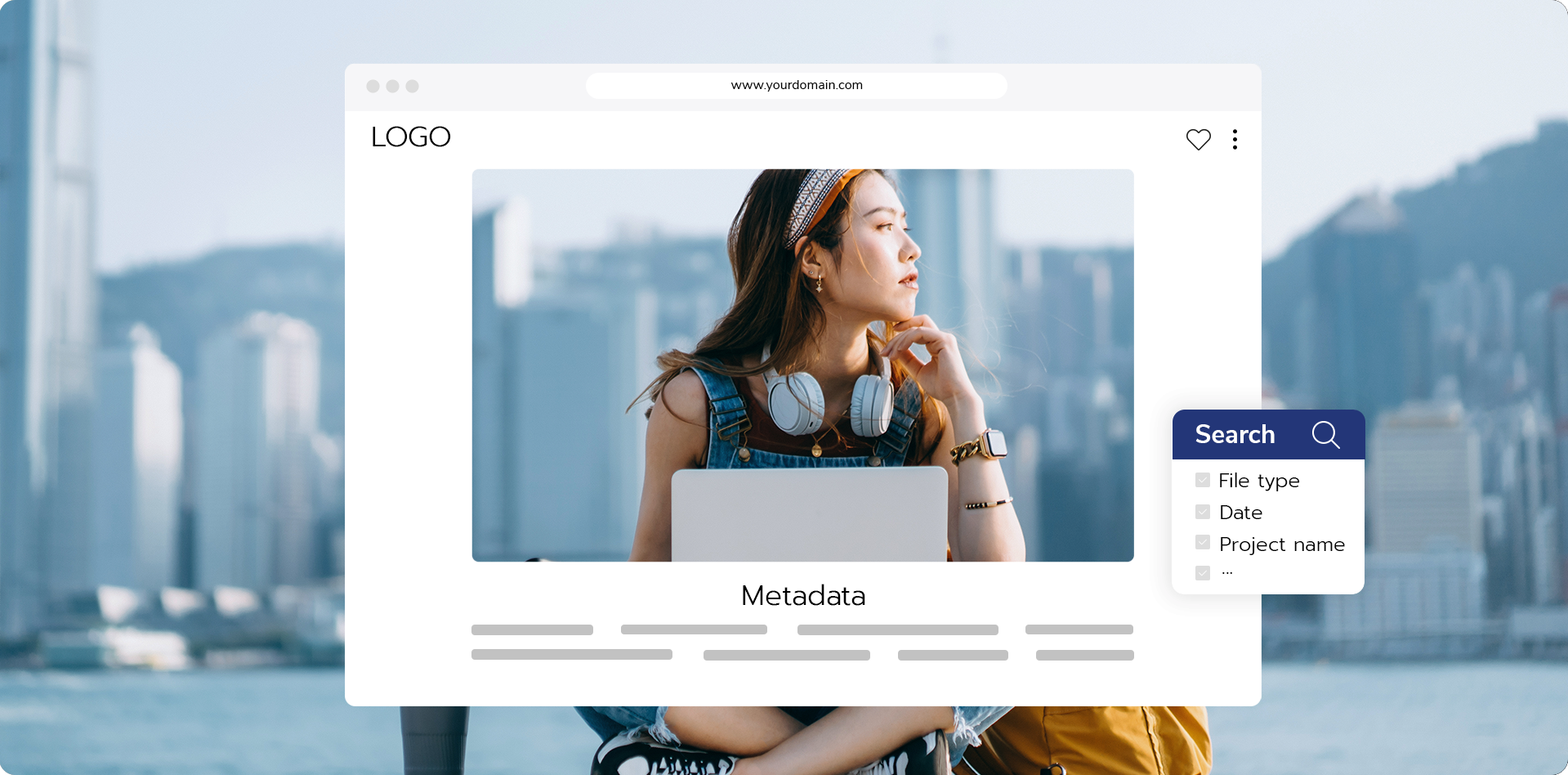
Time spent searching for assets is time wasted. A robust search and metadata management system empowers your team to quickly find exactly what they need, driving efficiency and preventing errors.
By improving asset discoverability, you not only boost productivity but also reduce the risk of using outdated or incorrect assets.
Advanced search and metadata features unlock the full potential of your digital library, ensuring that valuable resources are always at your fingertips.
Key features to look for
- AI-Powered Auto-Tagging: Leverage AI to automatically generate accurate tags and metadata for assets, reducing manual effort, enhancing consistency, and searchability.
- Customized Metadata Schema: Tailor your DAM with custom metadata fields, categories, and classifications to better organize assets, and enable more precise searches.
- Advanced Search Filters: Enable specific searches using multiple criteria, like file type, date, project name, or tags, and use visual previews to make more informed decisions.
Brand Consistency Tool
Your brand is one of your most valuable assets, and maintaining consistency is key to building trust and recognition.
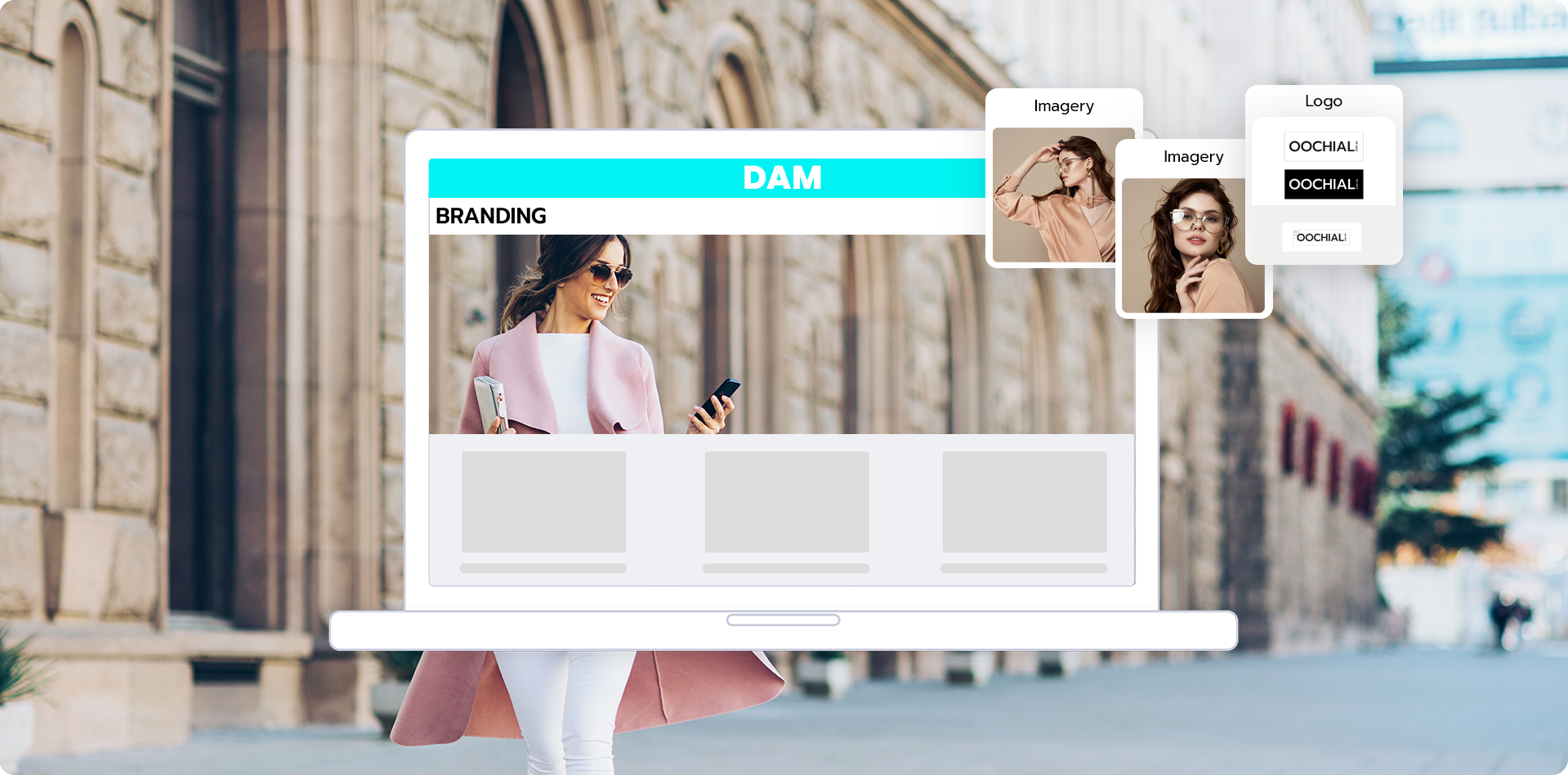
A DAM system should serve as the central source of truth for all brand materials, ensuring that only approved, up-to-date assets are used across every touchpoint.
This prevents inconsistencies, strengthens brand identity, and safeguards your reputation.
Key features to look for
- Version Control: Ensure teams always work with the most up-to-date, approved assets while maintaining a complete history of previous versions for tracking and reference.
- Brand Portals: Brand Portal templates offer a centralized, custom-branded hub for easy access to pre-approved assets, ensuring brand consistency across all channels.
- Role-Based Permissions: Control asset access with user roles, ensuring only authorized personnel can manage files, protecting sensitive content, and maintaining compliance.
Workflow Automation and Collaboration Features
Seamless collaboration and efficient workflows are essential for accelerating asset creation, review, and approval processes.
A DAM system with built-in automation eliminates bottlenecks, reduces manual tasks, and enables teams to work together effortlessly.
This results in faster decision-making, timely content delivery, and increased productivity across departments.
Key features to look for
- Automated Workflows: Accelerate review and approval cycles by automating notifications to stakeholders when assets are ready for feedback or approval.
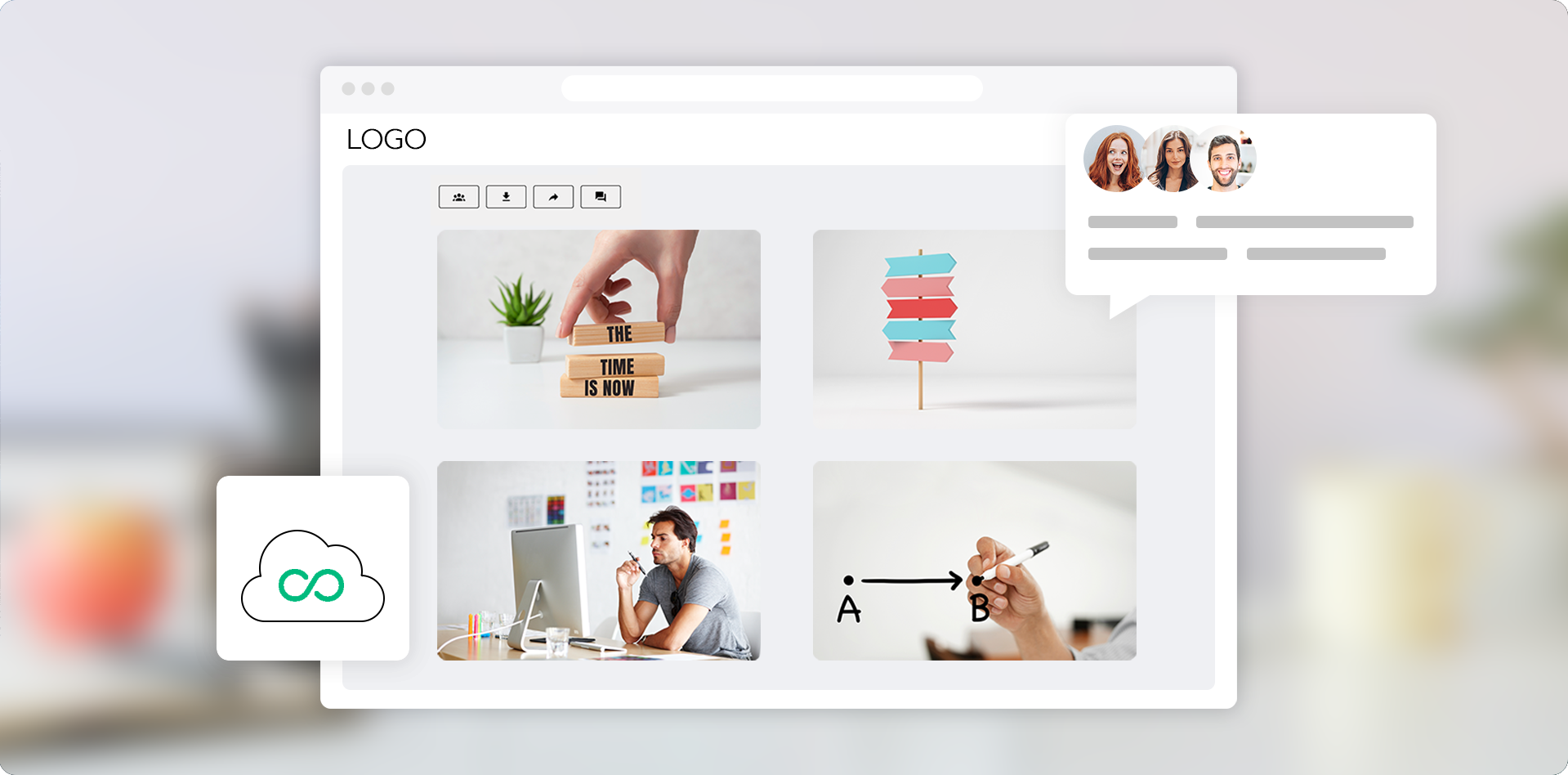
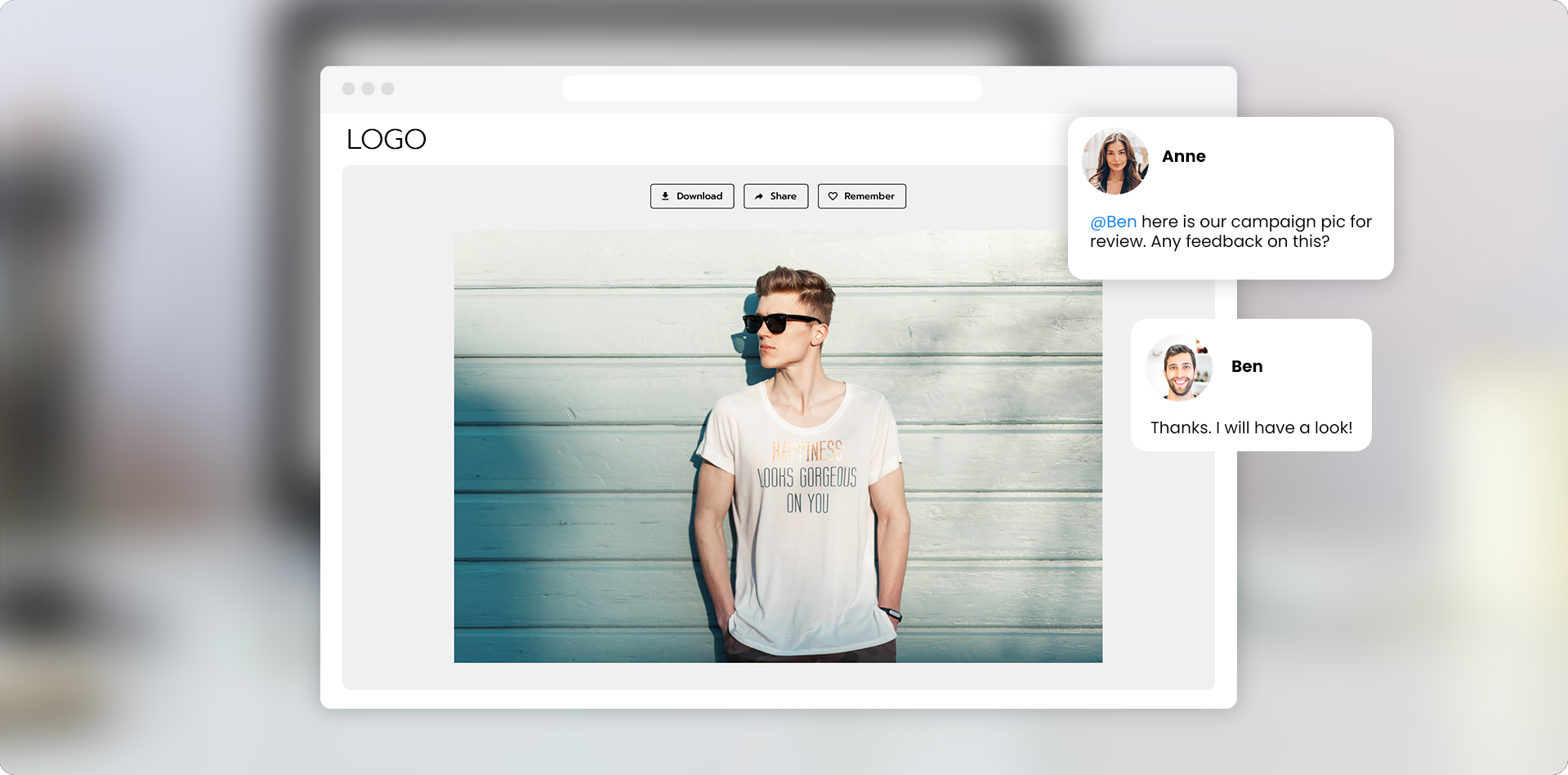
- Annotation Tools: Enhance collaboration with annotation and commenting features allowing clear, actionable feedback directly on assets improving workflow efficiency.
- Task Notifications & Reminders: Keep projects on track with automated task notifications, real-time updates, and deadline reminders, ensuring timely completion

Security and Access Control
Digital assets often contain valuable or sensitive information, making security a top priority.
A robust DAM system ensures that only authorized users can access, edit, or distribute assets, minimizing the risk of data breaches and protecting your company from potential legal or financial issues.
Key features to look for
- Role-Based Access Control: Implement secure user permissions with role-based access, ensuring that sensitive assets are only accessible to those with the appropriate authority.
- Watermarking: Protect high-value or proprietary assets by applying watermarks, deterring unauthorized use, and safeguarding intellectual property.
- Encryption & Compliance: Ensure your DAM complies with industry standards like GDPR and CCPA by encrypting assets and securing user data to meet legal requirements.
Vendor Support and Reliability
A DAM system is a long-term investment, and the quality of vendor support can significantly impact its success.
From initial setup to everyday usage, reliable vendor support ensures smooth implementation, minimizes downtime, and helps teams maximize the platform’s potential.
A vendor with strong customer service and industry expertise can quickly resolve issues, provide strategic guidance, and continuously improve the system based on user needs.
Choosing a vendor ensures a seamless experience and long-term value.
Key features to look for
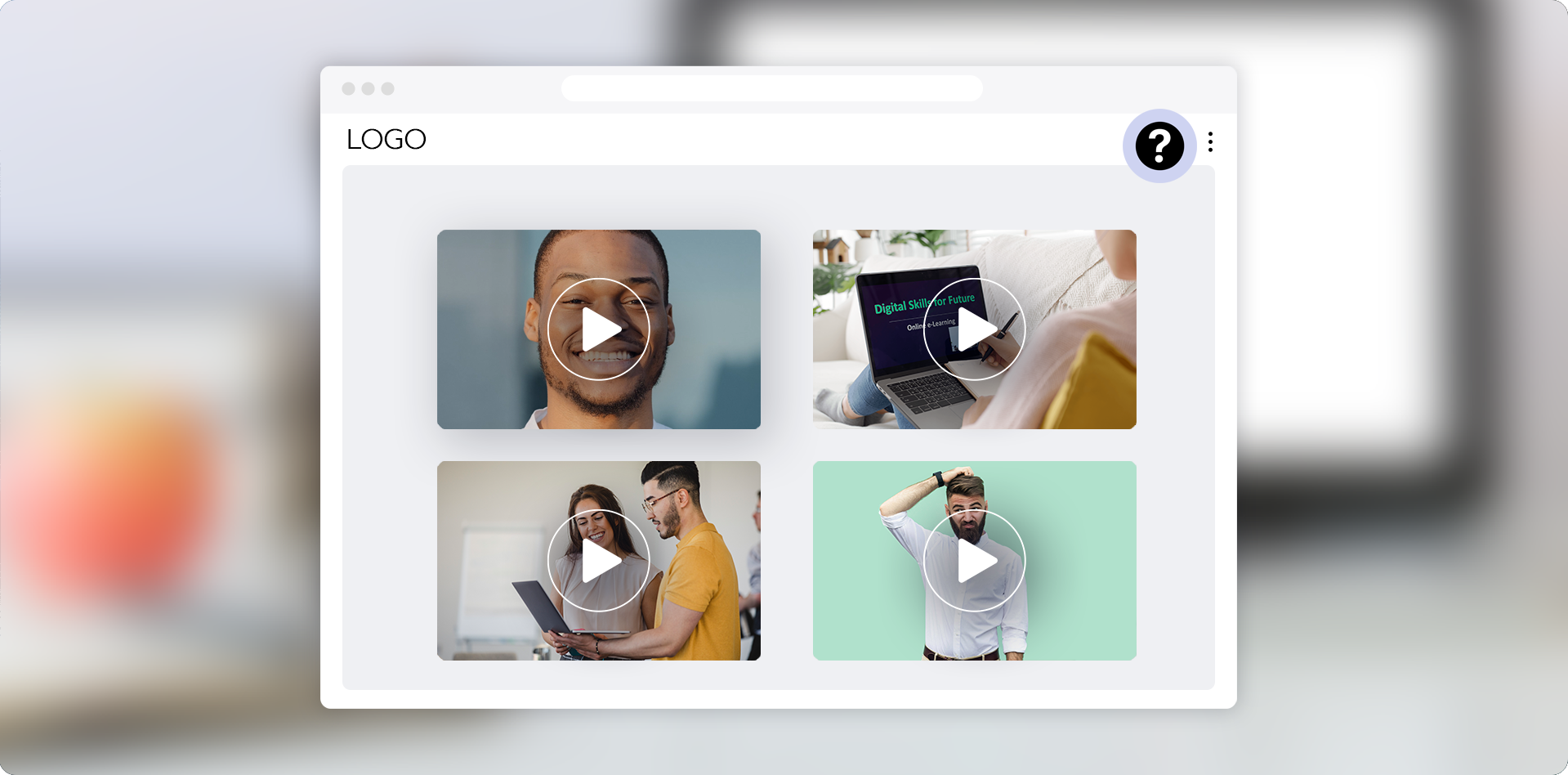
- Comprehensive Training Resources: Access to training resources such as videos, guides, and webinars helps users onboard quickly and maximize DAM’s capabilities.
- Dedicated Customer Support: Responsive support team with quick response, multiple contact channels, and personalized assistance to resolve issues efficiently.
- Proven Industry Expertise: A vendor with industry experience understands your unique needs, ensuring tailored solutions and best practices.

Analytics and Reporting
Data-driven insights are very crucial for maximizing the value of your digital assets. A robust analytics and reporting system helps you understand how assets are being used, identify trends, and measure their impact.
By tracking engagement and performance, your team can make informed decisions to optimize content creation, improve asset utilization, and demonstrate ROI to stakeholders.
Key features to look for
- Detailed Asset Usage Reports: Track downloads, views, shares, and access history to identify your most valuable assets.
- Actionable Performance Insights: Identifies high-performing and underutilized assets to optimize strategy and reduce wasted resources.
- Flexible Data Export Options: Easily generate tailored reports for internal stakeholders, marketing teams, or compliance review.

Cost Efficiency and ROI
Investing in a DAM system is not just about managing digital assets, it is about driving measurable business outcomes.
An effective DAM boosts productivity, reduces operational costs, and accelerates workflow by automating time-consuming tasks.
The right platform delivers long-term value by streamlining processes, minimizing errors, and cutting down on repetitive manual work.
Over time, these efficiencies translate into significant savings and a faster return on investment (ROI), making the initial cost worthwhile.
Key features to look for
- Transparent Pricing: Choose a vendor with transparent pricing and no hidden fees. Look for flexible plans that scale with your business needs.
- Automation Tools: Increase efficiency with automatic tagging, file conversion, and bulk uploads, freeing time for more strategic tasks.
- Demo or Trial Period: Choose a platform with free trials or demos, to test functionality, usability, and effectiveness before making a commitment.

Conclusion
Choosing the ideal Digital Asset Management (DAM) system is a strategic investment that directly impacts your organization’s productivity, brand consistency, and overall efficiency.
By evaluating solutions based on key criteria, such as seamless integration, user-friendly interfaces, scalability, advanced search capabilities, brand consistency tools, and security features, you can ensure your DAM system meets both current and future needs.
A well-chosen DAM not only streamlines workflows and enhances collaboration but also drives measurable returns through cost savings and improved asset utilization.
Additionally, reliable vendor support and insightful analytics empower your team to maximize the platform’s value and continuously refine your digital strategy.
In the present digital environment, a DAM is more than a tool. It is a vital component of your brand’s success.
At Smint.io, we understand the challenges businesses face when selecting and utilizing a DAM system.
While we are not a DAM provider ourselves, our Content Portals seamlessly connect with leading DAM solutions, helping organizations get the most out of their existing content infrastructure.
By eliminating silos, reducing duplicate uploads, and enhancing accessibility, we enable brands to create engaging, efficient, and high-performing content experiences.
By prioritizing the features that align with your business goals and operational needs, you will be equipped to make an informed decision that delivers lasting value and positions your organization for future growth.
FAQs
Read more


Grow your knowledge
Join hundreds of marketing and brand professionals. Keep up-to-date with the hottest news regarding content portals, brand experience, and digital touchpoints. Don’t miss out!