
What is a Brand Portal?
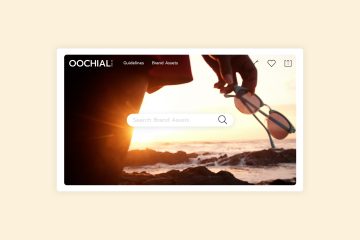
Table of Contents:
- What Exactly Is a Brand Portal?
- Key Takeaways
- Why Brand Portals Matter More Than Ever?
- How Brand Portals Ensure Brand Consistency Across All Touchpoints
- Reduce Rework, Save Time, and Boost Efficiency with Brand Portals
- How Brand Portals Simplify Product Launches and Campaign Rollouts
- Enhancing Governance and Compliance with Brand Portals
- Brand Portal vs. DAM: What’s the Difference?
- Brand Portal as Your Integrated Brand Hub
- Do You Really Need a Brand Portal?
- FAQs
A Brand Portal is more than just a file repository, it is a gateway for delivering consistent, accessible, and scalable brand communication.
It serves as a centralized hub that houses all your essential brand assets and guidelines, making them easy to access, use, and govern for internal teams, agency partners, the media, distributors, and customers.
In this article, you’ll find everything you need to know about Brand Portals, how they are crucial for DAMs, and why they’re indispensable for any brand striving for consistency, speed, and trust.

What Exactly Is a Brand Portal?
A Brand Portal is a centralized, digital hub that provides stakeholders such as employees, agencies, partners, and the press with secure access to all your branded content and guidelines.
Unlike static brand guideline PDFs, modern portals are interactive, dynamic, and often integrate with systems like Digital Asset Management (DAM), Product Information Management (PIM), and Content Management Systems (CMS).
Think of it as your brand’s single source of truth a place where internal teams, partners, agencies, and other stakeholders can access up-to-date, approved content anytime, from anywhere.
This includes logos, videos, product images, marketing collateral, presentations, social media templates, press kits, and brand guidelines.

Key Takeaways
- Centralized assets: A brand portal is the single source of truth, centralizing all your brand’s digital assets.
- Brand consistency: It protects brand consistency by giving teams and partners controlled access to up-to-date assets.
- Easy access: Unlike DAMs, a brand portal focuses on making assets easy and safe to access, share, and reuse.
- Faster collaboration: It speeds up campaigns and collaboration by removing manual asset requests and confusion.
- Tool integration: Modern brand portals connect to tools like DAM, CMS, or PIM and support role-based access for different teams and regions.
Why Brand Portals Matter More Than Ever?
In today’s digital landscape, where brands compete fiercely for attention, staying consistently on-brand is no longer optional – it’s your competitive edge.
Whether you are reaching customers, collaborating with partners, or aligning internal teams, brand consistency builds trust and recognition across every touchpoint.
So, how can you maintain control while empowering others to represent your brand accurately?
Let’s explore why a Brand Portal might be the single most effective solution to your digital branding challenges.

How Brand Portals Ensure Brand Consistency Across All Touchpoints
Brand consistency builds trust and drives results. According to research, businesses that maintain a consistent brand across channels can boost revenue by up to 33%.
However, consistency is hard when teams are scattered, brand files are outdated, and guidelines live in forgotten PDFs. That’s where a Brand Portal makes all the difference.
With a Brand Portal:
- Designers would no longer need to resend logos.
- Agencies use the right fonts and colors.
- Sales teams get accurate, approved materials.
- Partners access exactly what they need, when they need it.
It’s a powerful tool for brand enablement. It streamlines workflows, reduces errors, and helps you maintain a consistent brand voice across all touchpoints. In short, it’s how modern brands scale without losing control.

Reduce Reworks, Save Time, and Boost Efficiency with Brand Portals
Is your team caught in a constant cycle of resending files, chasing approvals, and responding to the same asset requests again and again? You’re not alone.
Consistent brand experiences are essential for building trust and driving growth.
But when your assets are buried in inboxes, scattered across drives, or locked in outdated folders, staying on-brand becomes a daily struggle.
With a Brand Portal:
- Teams spend less time searching and recreating.
- Stakeholders self-serve the exact content they need.
- Campaigns launch faster, with fewer bottlenecks.
Think of a Brand Portal as your brand’s recipe kit, with all the essential ingredients neatly organized in one place. This efficiency can save your team thousands of dollars and boost overall productivity.
How Brand Portals Simplify Product Launches and Campaign Rollouts
Product launches and major brand initiatives involve many moving parts like agencies, sales teams, press, and every asset must be on-brand and timely.
A Brand Portal streamlines the process by centralizing all content in one secure, accessible hub.
Benefits include:
- Instantly share brand guidelines with agency partners
- Provide automated access to up-to-date product collateral for sales teams and distributors
- Ensure journalists and external stakeholders receive consistent, approved materials
With a password protected portal, launches and campaigns run smoother, faster, and with fewer errors.
Enhancing Governance and Compliance with Brand Portals
“For millions of years, human beings have been part of one tribe or another. A group needs only two things to be a tribe: a shared interest and a way to communicate.” -Seth Godin.
The most effective way to attract the right customers, employees, and partners is through unwavering brand consistency.
It starts with establishing a clear, recognizable communication style and grows into leading a tribe that genuinely connects with your brand’s values. It may sound idealistic, but it’s a proven strategy.
A Brand Portal is your tool for delivering that consistency. It ensures that everyone, from marketing agencies to HR teams, has access to the right assets, guidelines, and messaging at the right time.
Studies show that consistent presentation of a brand leads to a 33% increase in revenue.
Brand Portal vs. DAM: What’s the Difference?
Can a DAM replace a Brand Portal? Not quite, and here’s why.
It’s important to understand the difference between a Digital Asset Management (DAM) system and a Brand Portal:
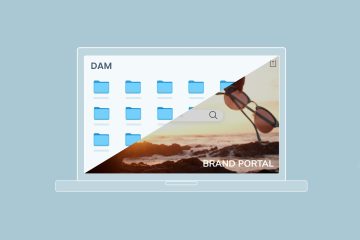
- DAM: Best for storing and organizing large volumes of digital assets.
- Brand Portal: Built for easy access and safe, on-brand use of those assets by internal teams, partners, and other stakeholders.
The good news: Brand Portals and DAMs complement each other, but even without a DAM, a Brand Portal delivers significant value by keeping your brand consistent and assets easily accessible.
Brand Portal as Your Integrated Brand Hub
A Brand Portal is far more than just a digital brand guideline PDF passed around between teams.
Integrating a Brand Portal with existing systems like DAMs, Content Management Systems (CMS), and Enterprise Content Management (ECM) platforms enhances this functionality.
Moreover, Brand Portals facilitate collaboration by providing role-based access controls, ensuring that users only access materials relevant to their roles. This safeguards brand integrity and empowers teams.
Do You Really Need a Brand Portal?
Let’s face it, if your brand assets are still scattered across shared drives, inboxes, or outdated PDFs, you’re making it harder for your teams to stay on-brand.
A Brand Portal eliminates that chaos by centralizing everything in one accessible, secure hub aligned with your brand guidelines and ready for use by anyone who needs it.
Who benefits most:
- Startups to global enterprises
- Teams working across multiple departments
- Organizations collaborating with partners or creative agencies
Consistent brand communication is essential, and a Brand Portal makes it simple.
This article covers everything you need to know, from setup and integration to costs, so you can confidently implement a Brand Portal that fits your business.
FAQs
Read more


Grow your knowledge
Join hundreds of marketing and brand professionals. Keep up-to-date with the hottest news regarding content portals, brand experience and digital touchpoints. Don’t miss out!